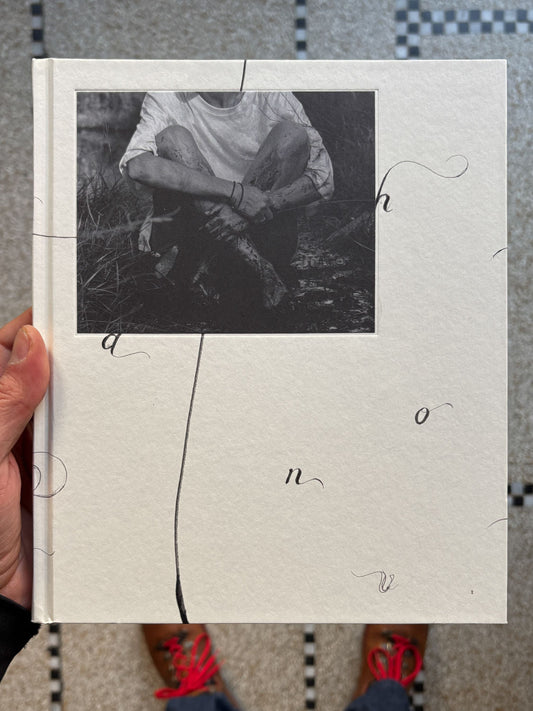
Some Voices Carry by Arini Byng
- In stock, ready to ship
EU legal guarantee

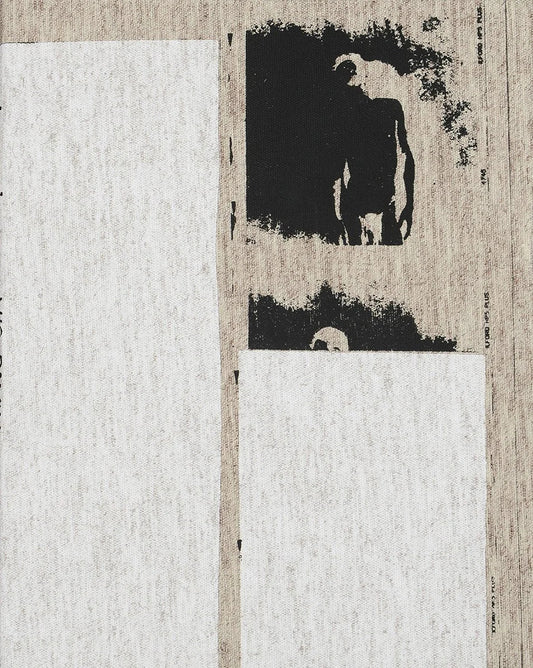
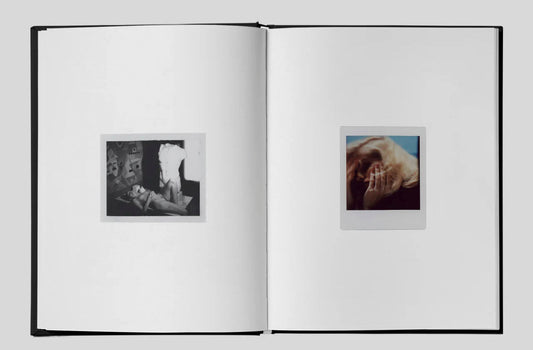
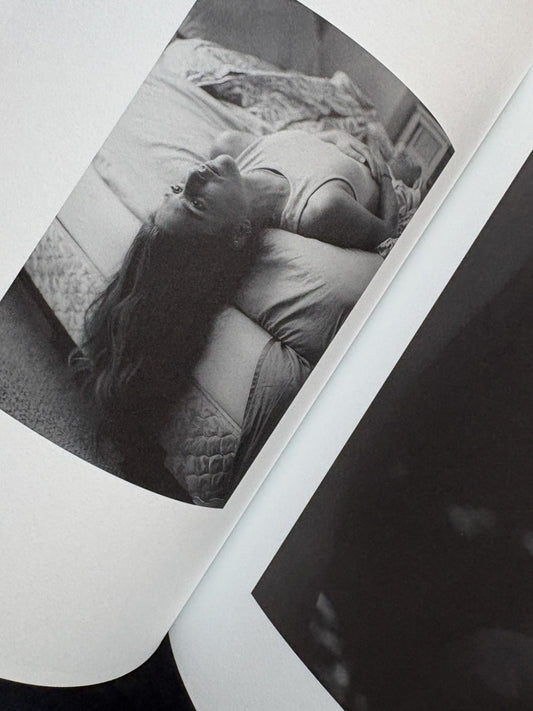
In Some Voices Carry, Arini Byng’s second book with Perimeter Editions, a man in sunglasses smiles at the camera and holds a baby whose small hand rests flat on his chest. His dreadlocks are short, the light looks like late afternoon in summer, and tropical plants fill the background, with a parrot on a branch and another flying overhead. The snapshot sits on a magazine page headed ‘1981 Highlights In Pictures’, among black-and-white images of mourners at Roy Wilkins’s funeral, Michael Jackson’s cover story for the 30th Anniversary issue of JET, and a promotion for ‘ten ways to get a mink coat’. Byng makes every image this way, layering family snapshots over pages from EBONY, chiefly from 1980, the year her parents met, and 1982, the year they married. EBONY was a Black-owned and operated magazine that covered Black life, culture, current affairs and social justice.
The man is Travis Byng, her late father, best friend and long-time collaborator. Most of the photographs date from the time her parents lived in Richmond, Virginia, after meeting in Seattle, where her mother Anna was backpacking from Australia. Travis calls the 1980s the good times after the best times, which for him were the 1960s and early 1970s in Philadelphia, when jobs were plentiful and his parents bought two houses. The 1973 oil embargo and the loss of manufacturing work ended that optimism. In Richmond the family welcomed Anna, and the birth of Byng’s sister brought relatives together from across the country. The same period held darker moments. Travis recalled a night when, walking home from his job as a chef, he heard a whistle and saw a man ahead and another approaching, and he called the police. Looking at the Virginia Beach photograph, he also wondered what the white man at the right edge of the frame was thinking, then added that life had taught him not to assume.

Travis died suddenly in 2022. Byng lost her father, her creative partner and her main link to her Black American heritage and the lived culture that shaped it. The images are joyful, introspective and elegiac, and they are as speculative as they are reminiscent. Placing family intimacies beside EBONY’s editorial and photographic language sets her heritage within the wider culture of its time, and it also carries distance and yearning. The collages reflect the multiplicity of Black life and her connection to it and disconnection from it. Using her parents’ camera lens as her guide, she reconnects the dots, reimagining a world that was and relearning the world that is.