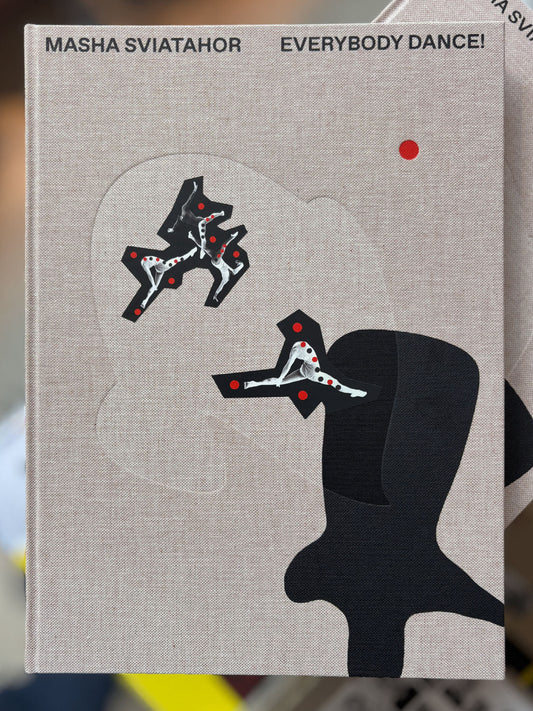
Stray Sod by Maria Lax
- In stock, ready to ship
EU legal guarantee

Signed Copies
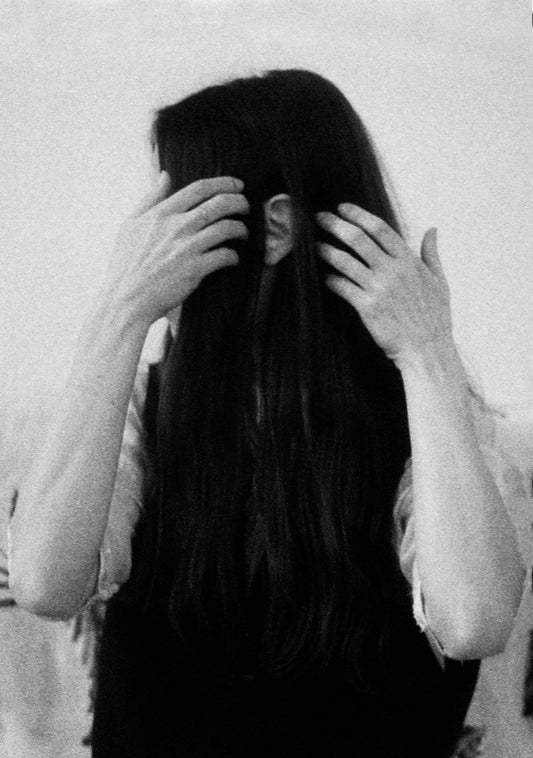
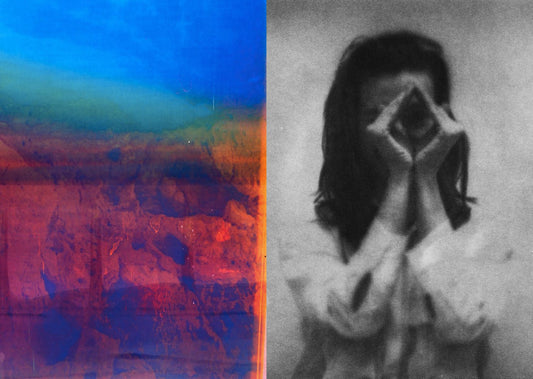
Maria Lax grew up in Finland, far from the bogs and back roads of rural Ireland, which may be precisely why the fóidín mearbhall caught her attention. The stray sod — an enchanted patch of earth in Irish folk tradition that causes whoever steps on it to lose all sense of direction — is a quiet, strange phenomenon, less dramatic than a banshee, more unsettling for it. Lax went into the Irish National Archives and read the first-hand accounts: ordinary people, usually alone, usually at night, who simply stopped being able to find their way home.
What she found wasn't horror so much as a specific texture of confusion — the familiar road that no longer leads anywhere, the landscape that keeps rearranging itself, the hours spent walking that bring you nowhere. She photographed the Irish countryside with that feeling in mind: long exposures, low light, fields that look like they might not be the same fields you passed ten minutes ago. The folklore attributed this to the fairies, or to the land itself. Lax doesn't argue with that, exactly — she just lets the images sit in the same uncertainty.
The stray sod accounts, she notes, tend to cluster around periods of change — bereavement, upheaval, the ground shifting under ordinary life. She draws the line to now without hammering it: depression, political disorientation, the sense that the world reorganised itself overnight and nobody told you the new rules. It's a modest parallel, and the better for it. Getting lost, the folklore understood, doesn't always announce itself.