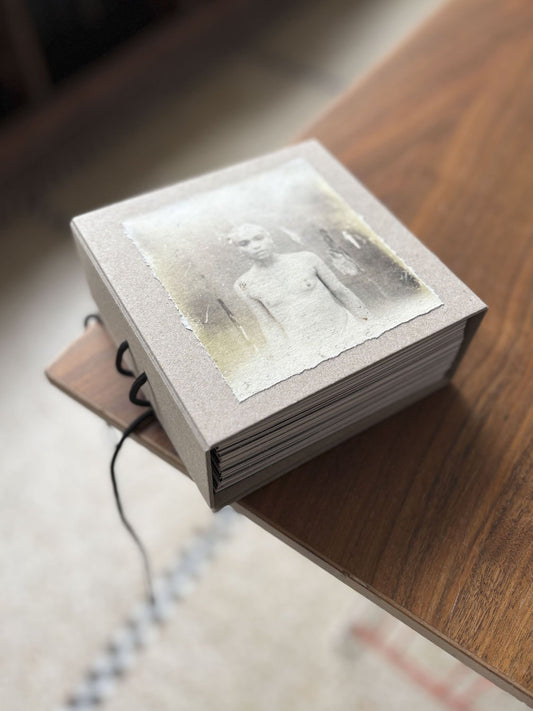


The chestnut trees — kashtany — are Kyiv's living symbol. They were there before the 24th of February 2022, and they are still there now.
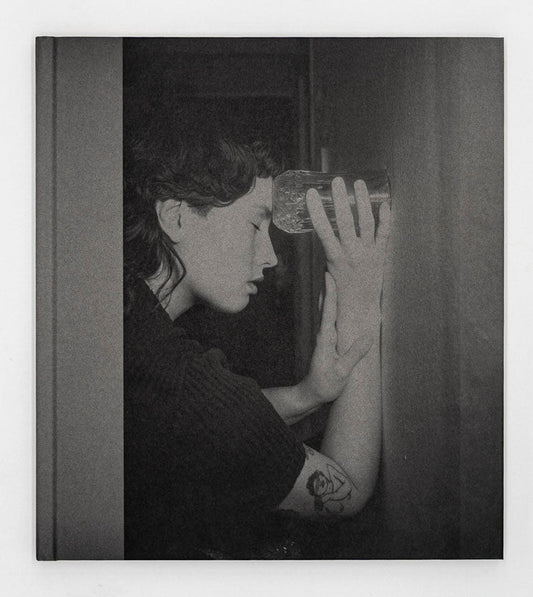
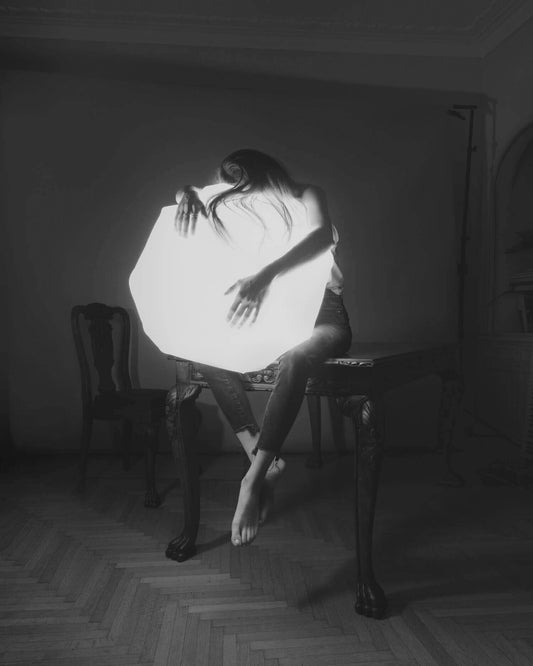
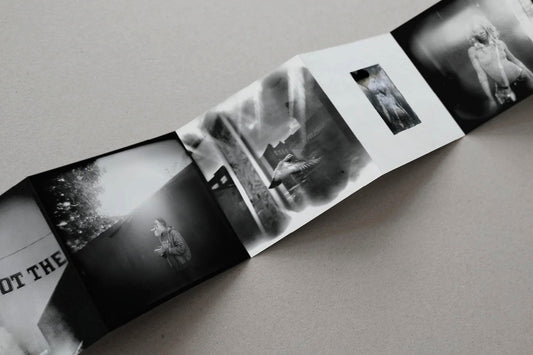
On that day Russia began its full-scale war on Ukraine. Since then, Jule Wild has been photographing her Ukrainian friends, trying to catch something that doesn't sit still long enough to be captured cleanly:
what a life looks like when it has to keep being a life anyway.
One of the people in the book put it more exactly than any caption could: "staying here, you just get used to it and it becomes part of your routine and your normal life. I don't want to say it's on the background because you're constantly thinking about this. But still you have to keep living, keep working and like keeping sane."
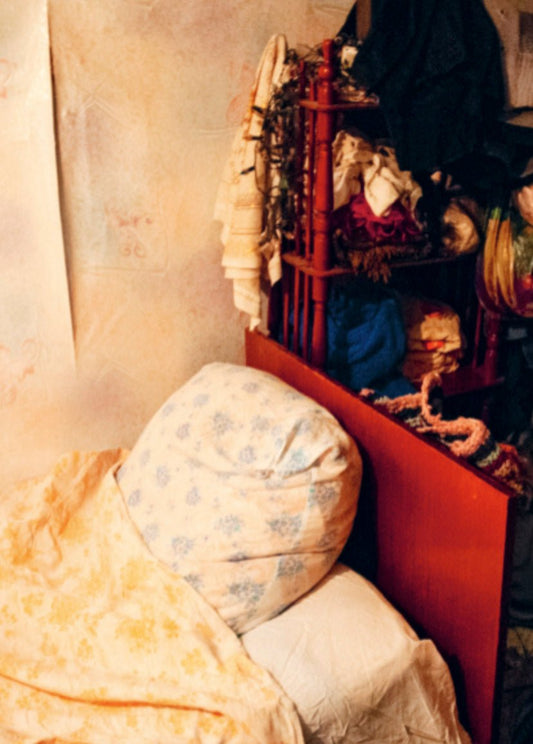
That sentence is the shape of the whole book. Not resilience as a headline, but the strange arithmetic underneath it — the war is never in the background, and yet the coffee still gets made, the cigarette still gets rolled, the joke still lands. Someone quits smoking, then decides to smoke a whole cigarette anyway, and it becomes a small piece of evidence: "that's what happens during the war. People start smoking more."
Antidepressants sit on the table next to the ashtray. Therapy happens in the morning, and it's awful, because it works: "I realized that I'm not okay."
Grief, in the book, doesn't stay in one register. It moves. Early in the war, every death felt individual. Now death has largely become a number — until a photograph interrupts the numbness and makes one person real again.
The future has changed shape too. Not gone, just foreclosed, deliberately, and alongside all of that, something the book refuses to let the horror cancel out: pleasure, still arriving, sometimes larger than before.
A song gets sung. A camera gets picked up for exactly this reason; to hold onto a moment before it's gone.
The book closes on that instinct turned back on itself: the photographer's friend takes hold of the camera, learns which button stops it, and stops it herself. After a book spent watching Jule Wild watch her friends survive a war, it ends with one of them holding the shutter.
Find Me Near the Chestnut Trees* is completed by personal texts and notes contributed by Anastasiia Kaminska, Oleksii Stislavsky, and Vitalii Matukhno; writing, like the photographs, from inside the difficulty of answering a question that used to be simple: how are you?