Belles mômes × Time to kill: a conversation on aging
EU legal guarantee

Together, Belles Mômes by Clélia Odette and Time To Kill by Ahndraya Parlato place women’s aging at the center, not as an afterthought. Both books push back against the idea that a woman’s value tracks beauty, youth, and constant care for others. Seen alongside each other, they show two ways of working with that pressure: Odette through direct encounters and spoken experience, Parlato through a more layered mix of images and written address.
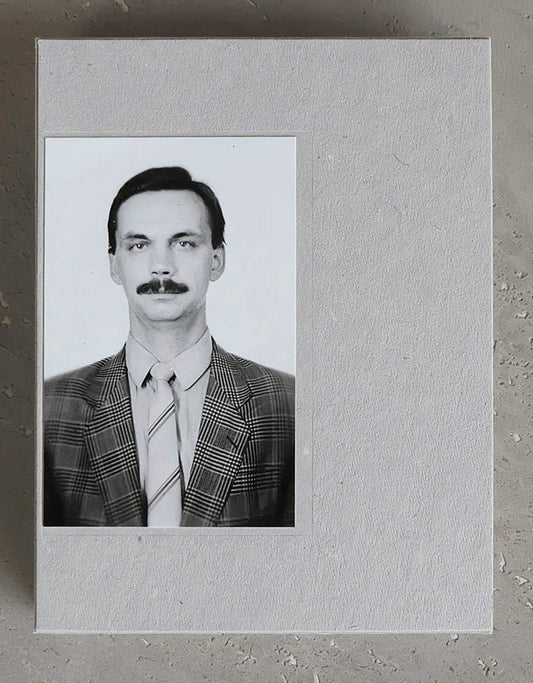
In Belles Mômes, the work is built around presence. Portraits sit with women’s words, so the viewer isn’t left with image alone. That pairing shifts the balance of power: the body isn’t just looked at—it speaks back. The book feels grounded in the social world, in what people say about themselves, and in the ways aging is lived, negotiated, and named rather than silently “read” on the face.
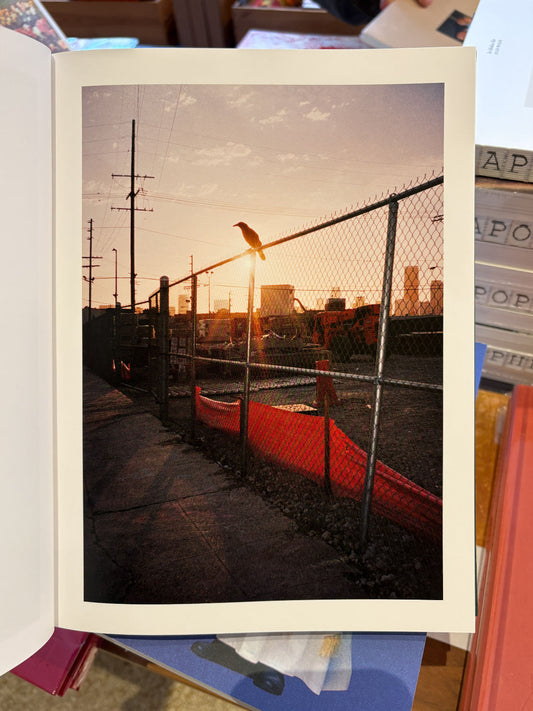
TIME TO KILL comes at similar questions from the inside out. Parlato combines photographs and letters to probe gendered aging—beauty ideals, caretaking, and maternal or domestic duty—without turning it into a simple argument. The images move between portraits, landscapes, and interiors that can feel open or confining, and the still lifes bring together plants, household objects, and weapons in uneasy, almost absurd pairings.
The letters, addressed to an ambiguous recipient, add another register: private, searching, sometimes surreal. Put together, the two books relate through contrast as much as overlap: one insists on testimony and encounter; the other builds a charged psychological space. Both make the same point in different ways—aging doesn’t erase women, and it shouldn’t make them less visible.