El Jardín de Senderos Que Se Bifurcan by Tarrah Krajnak
EU legal guarantee

Text by Tarrah Krajnak and Kavior Moon
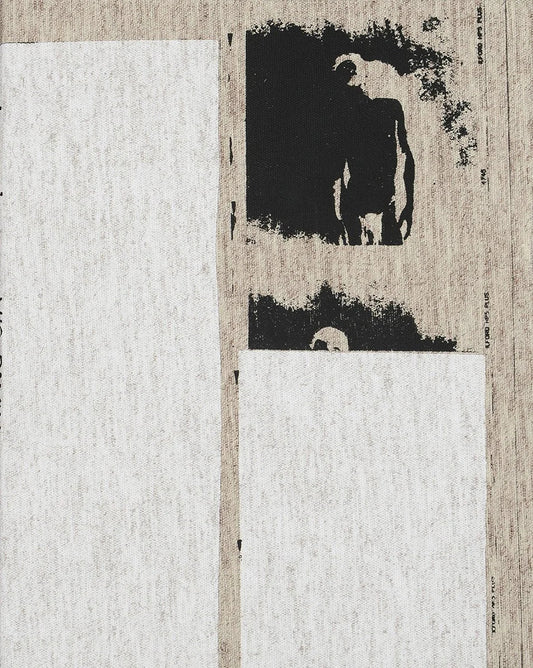
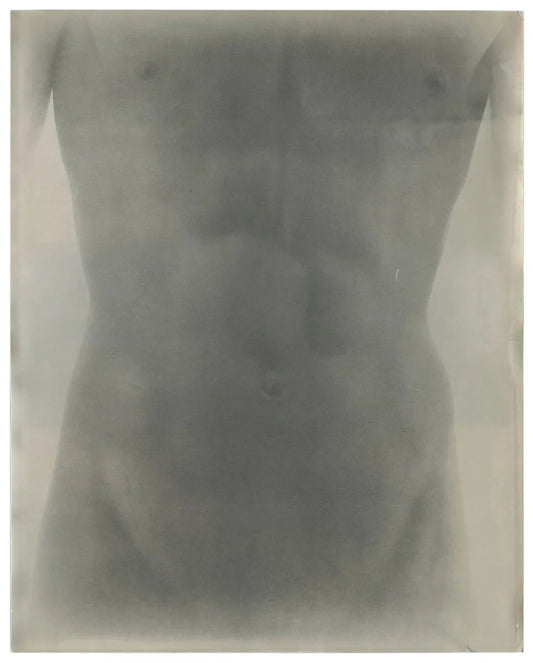
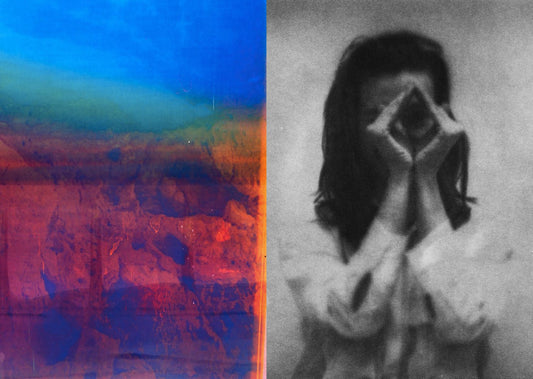
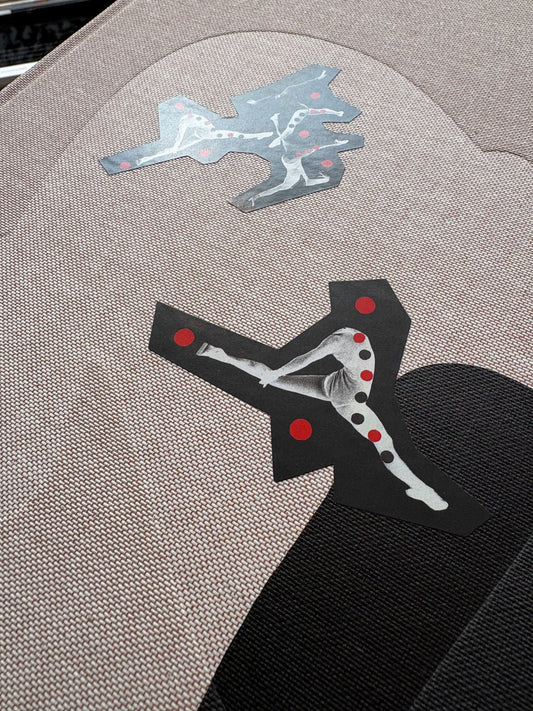
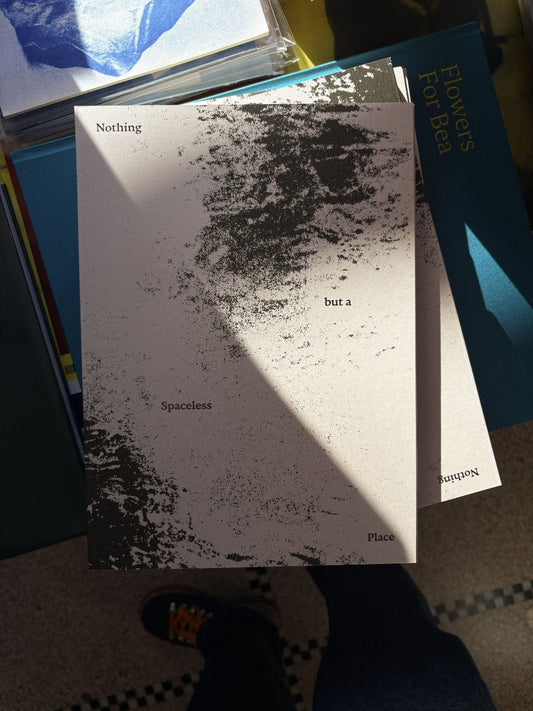
Named after Borges’s story of the same title, El Jardín de Senderos Que Se Bifurcan follows the act of tracing origins through a family history that refuses to resolve into a single version.

Indigenous to Peru and orphaned as an infant, the artist was adopted into a working-class transracial family in the American coal country, raised as a twin beside an African American brother. That first, intimate knowledge of racial difference became an enduring preoccupation: belonging and orphanhood, ancestral exile and origins—and the ways these ideas are inscribed on the body, and preserved or obscured in the archive.
In this project, the artist does not set out to recover a stable, authentic identity hidden behind the circumstances of birth and adoption. Instead, the work builds a psychic history: imagining lineages, inventing mothers, and resurrecting ancestors in an effort to understand a place within the larger political, social, and historical narratives of the artist’s birthplace—Lima, Peru, circa 1979.
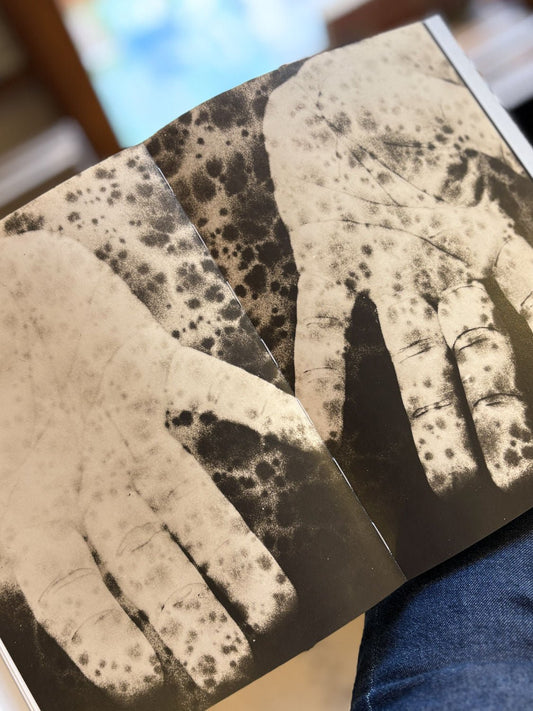
The work moves between found vernacular photographs, original writing and photography, and appropriated images from 1979 political magazines collected in Lima. It returns to sites of violence against women, to stories of missing women and children, and to forced migration and displacement in the wake of war’s trauma.
Threaded throughout are portraits of other women born the same year in Lima, Peru—1979—“time twins” depicted across the book. They were found through ads placed in and around the city, and their oral histories were collected. Across the project, this material—along with mistranslation, projection, and re-photographic strategies—becomes a way to reclaim, rewrite, speculate, and imagine a lost history.
At the Fondation Fondation Astichting RePose ExPose CounterPose
from January 22 until May 17 2026
Selected as one of the Best Books of 2021 by Shane Lavalette at Photo-eye