Time to kill by Ahndraya Parlato
- Low stock - 1 item left
EU legal guarantee

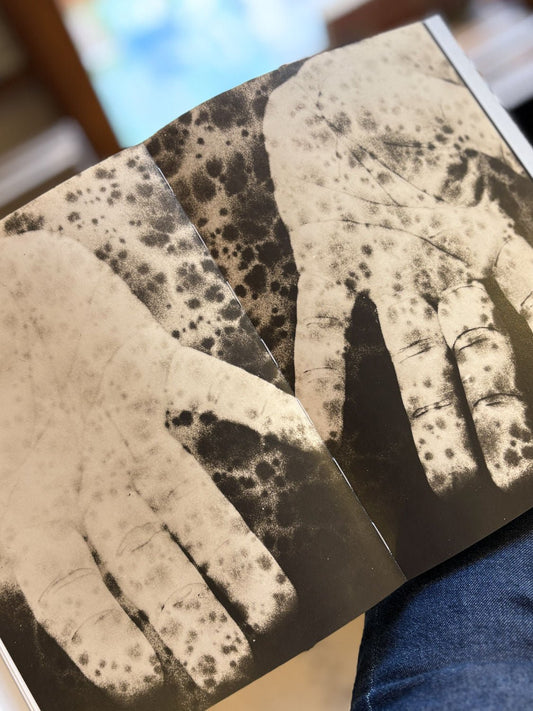
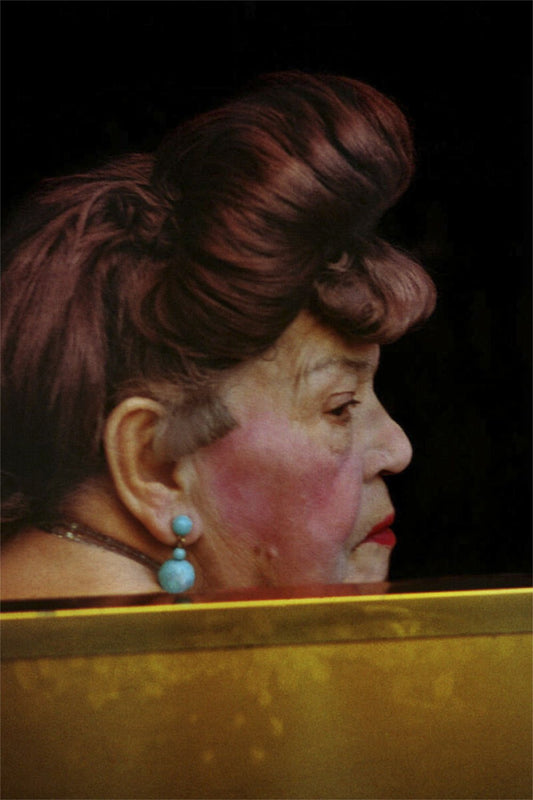
TIME TO KILL looks at what it means for women to age under expectations shaped by beauty standards and lifelong demands around care, motherhood, and domestic labor. The project moves between photographs and text. The images include portraits, landscapes, and interiors—sometimes open and expansive, sometimes tight and claustrophobic—alongside still lifes that pair plants, household objects, and weapons in jarring, almost absurd combinations. Together, they point to impermanence and to the double standards that follow women over time.

Running through the work are letters Parlato writes to an unnamed recipient—ageless, unclear, and possibly imagined. In that mix of image and address, she considers the gap between how we understand ourselves and how others read us as we grow older. Time and bodily change show up as both violent and freeing, as she makes room to face fears and fantasies that slip into the eerie and surreal. Building on the visual language of Who is Changed and Who is Dead (2021), TIME TO KILL takes up selfhood, motherhood, sacrifice, and visibility—and what it means to live with the fact of mortality.
This topic goes hand in hand with Belles Mômes by Clélia Odette