Homographs A pictionary book by Allegra Baggio Corradi
- In stock, ready to ship
EU legal guarantee

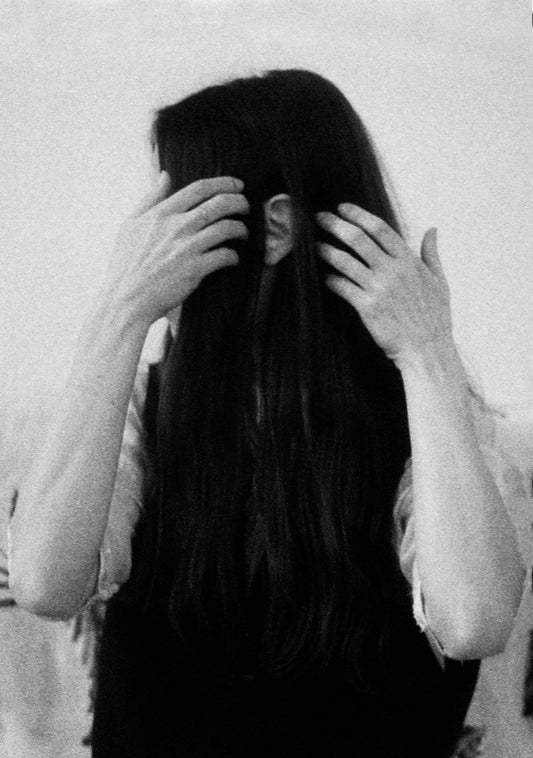
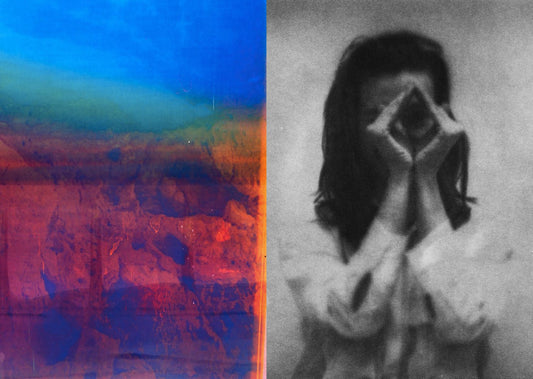
Homographs is a pictionary made of 200 photographic diptychs: each word appears through two images that reveal its different meanings—bark as sound and surface, cells as body and confinement, wave as a goodbye and the sea rising. It was developed over four years in workshops with migrants and children in neuropsychiatric departments, in places where language rules can make speaking harder. Here, photography slips past syntax and opens a shared way to communicate, grounded in what people have lived rather than how perfectly they can express it. 

The images come from public-library archives (physical and digital) and from new photos taken from participants’ descriptions, then scanned and recomposed into pairs. The book feels like a memory game that refuses the easy match: instead of two identical images proving sameness, it brings together two different ones so meaning is born from contrast. It also shows how words can carry tension—colonial legacies, politics, the violence of misnaming—while photographs can cut through the conflict by pointing to what is, not just what it’s called. 

The language in Homographs is deliberately mixed: technical terms, everyday words, and slang, because real life moves across registers and contradictions. The photos mirror that variety too—some pixelated, some pristine, some archival, some amateur—because every way of speaking carries the imprint of a life. In the end, the book isn’t trying to “teach” in a strict way: it works more like a civic tool and a form of social prescribing, meant to stimulate expression and connection, support language learning and confidence, and be shared in schools facing complex social contexts, with future editions planned in other languages.